Definition of harmonic minor scales
- the 2nd note is 2 semitones above the 1st
- the 3rd note is 1 semitone above the 2nd
- the 4th note is 2 semitones above the 3rd
- the 5th note is 2 semitones above the 4th
- the 6th note is 1 semitone above the 5th
- the 7th note is 3 semitones above the 6th
- the 8th note is 1 semitone above the 7th
Alternatively, a harmonic minor scale is a sequence of eight notes such that:
- the 2nd note is 2 semitones above the first
- the 3rd note is 3 semitones above the first
- the 4th note is 5 semitones above the first
- the 5th note is 7 semitones above the first
- the 6th note is 8 semitones above the first
- the 7th note is 11 semitones above the first
- the 8th note is 12 semitones above the first
Uniformly spaced piano keys play harmonic minor scales
Real layout virtual piano keys play harmonic minor scales.
This virtual piano keyboard plays harmonic minor scales at the touch of a single key. By default, it plays the harmonic minor scale in ascending order but it can also play in descending order.
This virtual piano gadget has additional extra features which are hidden by default. You can add or remove octaves, adjust the volume, turn sustain on and off, and choose from a selection of voices to hear the harmonic minor scales played by different instruments. An overview of the full functionality is available on the home page of VirtualPiano.Online. To access these features click on the settings icon above the piano. It toggles which features are shown.
Notes about harmonic minor scales
Note that each harmonic minor scale contains at least one black key.
The harmonic minor scale is a modification of the better known natural minor scale.
All-purpose virtual piano for self-study
Below is the most generic form of our virtual piano interface where the piano plays single notes. You can use it to practice playing harmonic minor scales by picking the individual notes on your own.
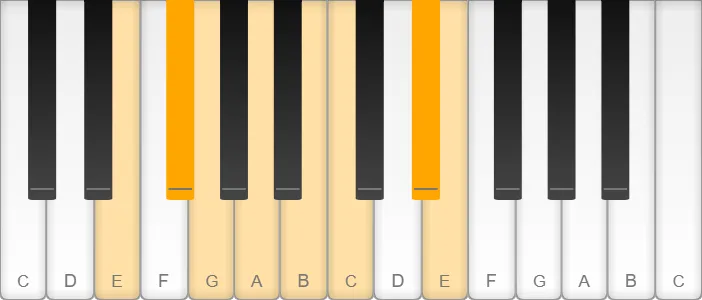
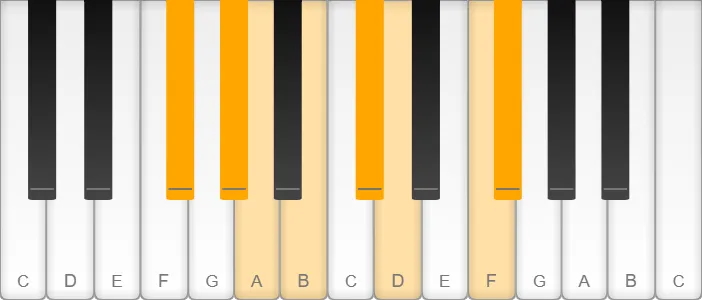
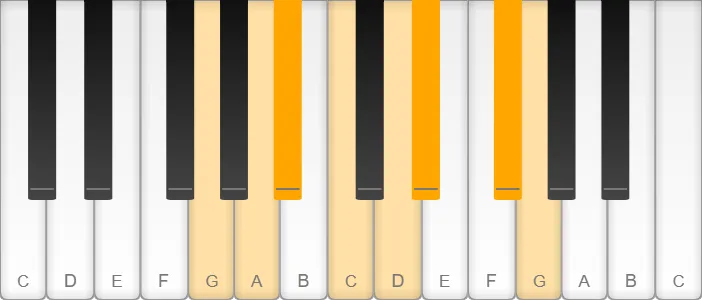
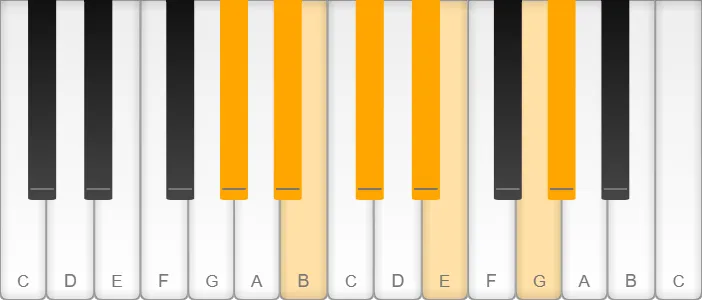
Piano diagrams illustrating all the 12 harmonic minor scales
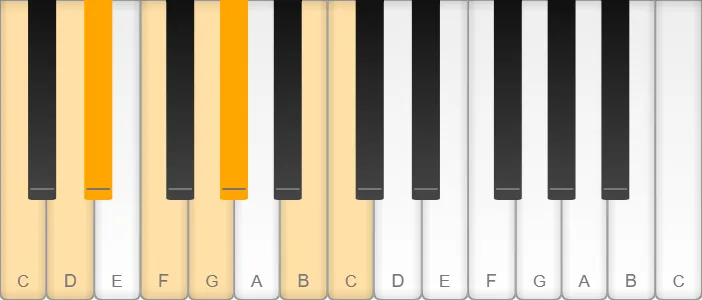
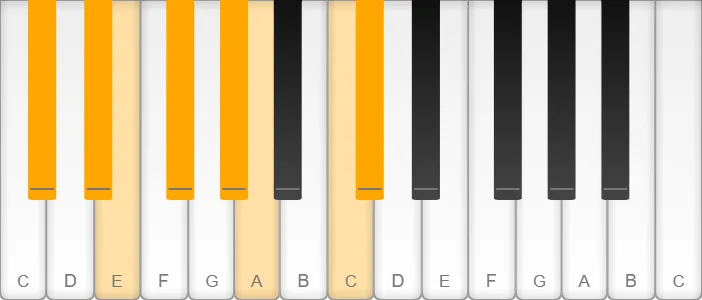
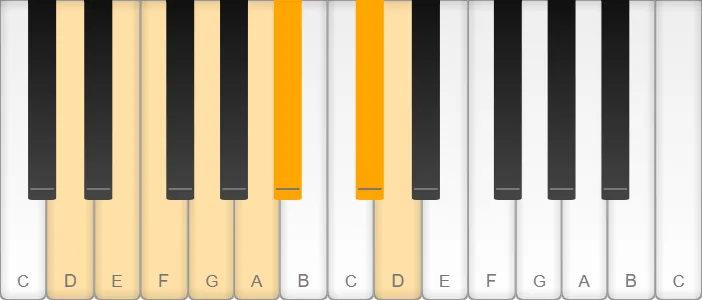
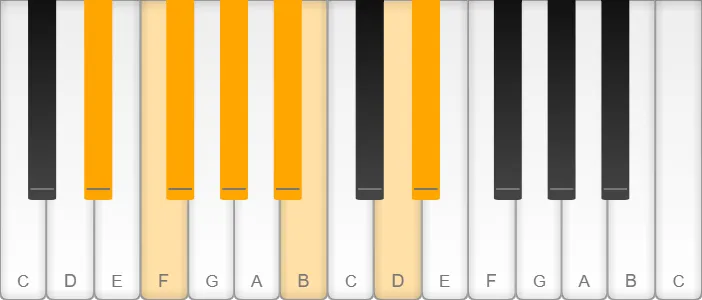

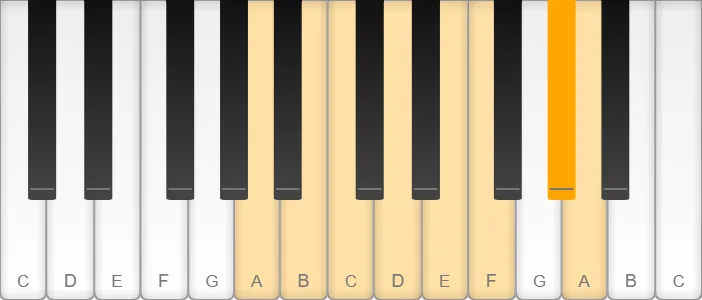
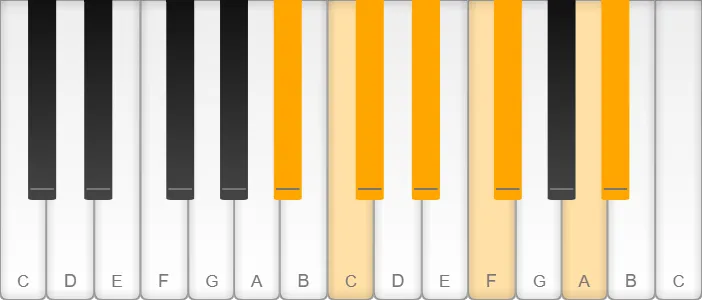
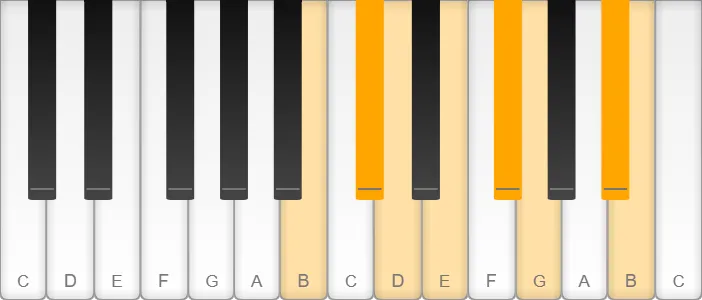
These buttons play harmonic minor scales. They are arranged uniformly so that there is no difference between white and black keys. This helps to understand the mathematical regularity of the scales, which is hard to see because of the way the black keys are tucked between the white keys.